
Pathways in Motion
Peralta HBCU Caravan
The Peralta Community College District hosted its annual HBCU Caravan, and the FFG crew showed up to document the day.
Students were bused in from high schools across the region and met directly with representatives from Historically Black Colleges and Universities. Counselors moved between tables. Organizers kept the day steady. Families asked detailed questions.
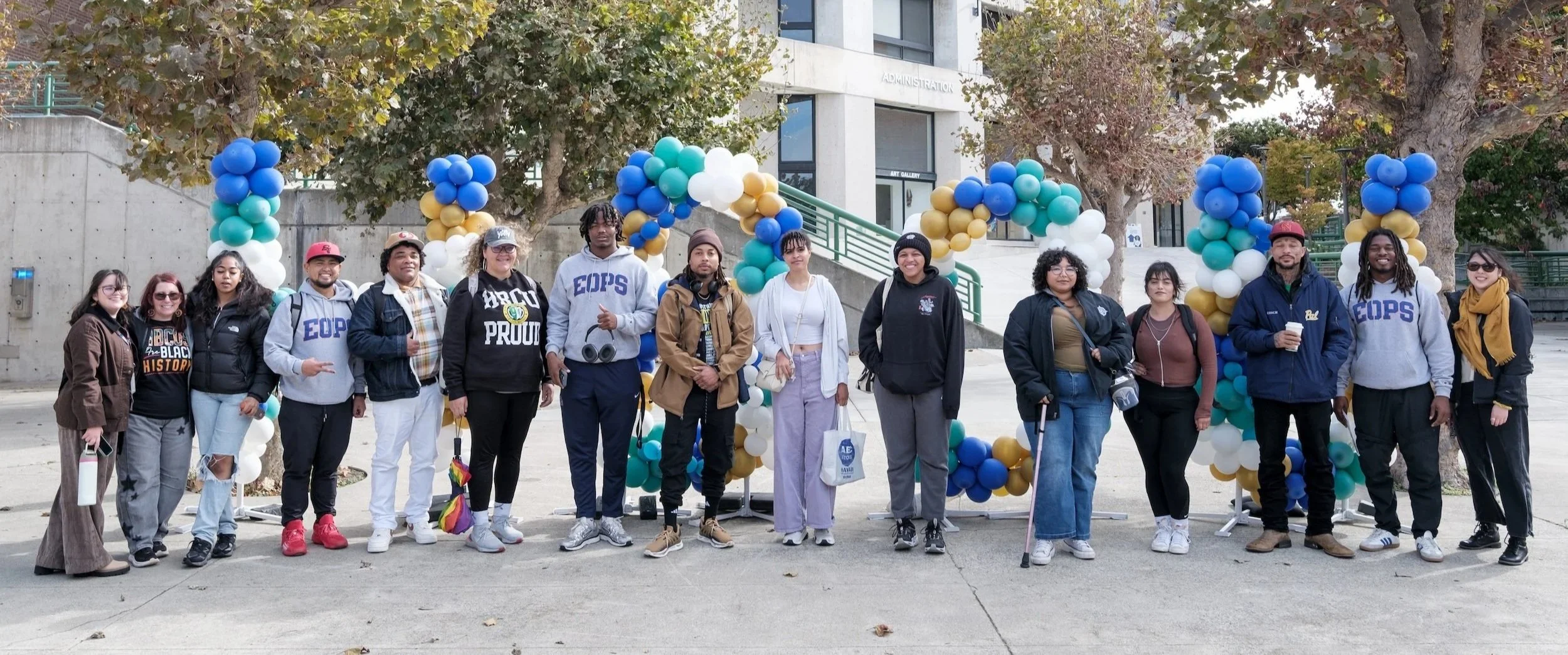
What stood out were the specifics in the conversations. How courses align. How financial aid packages translate across institutions. What support looks like once a student transfers. The HBCU Pathway is designed to create a warm handoff, and you could see that intention in how the event was structured.
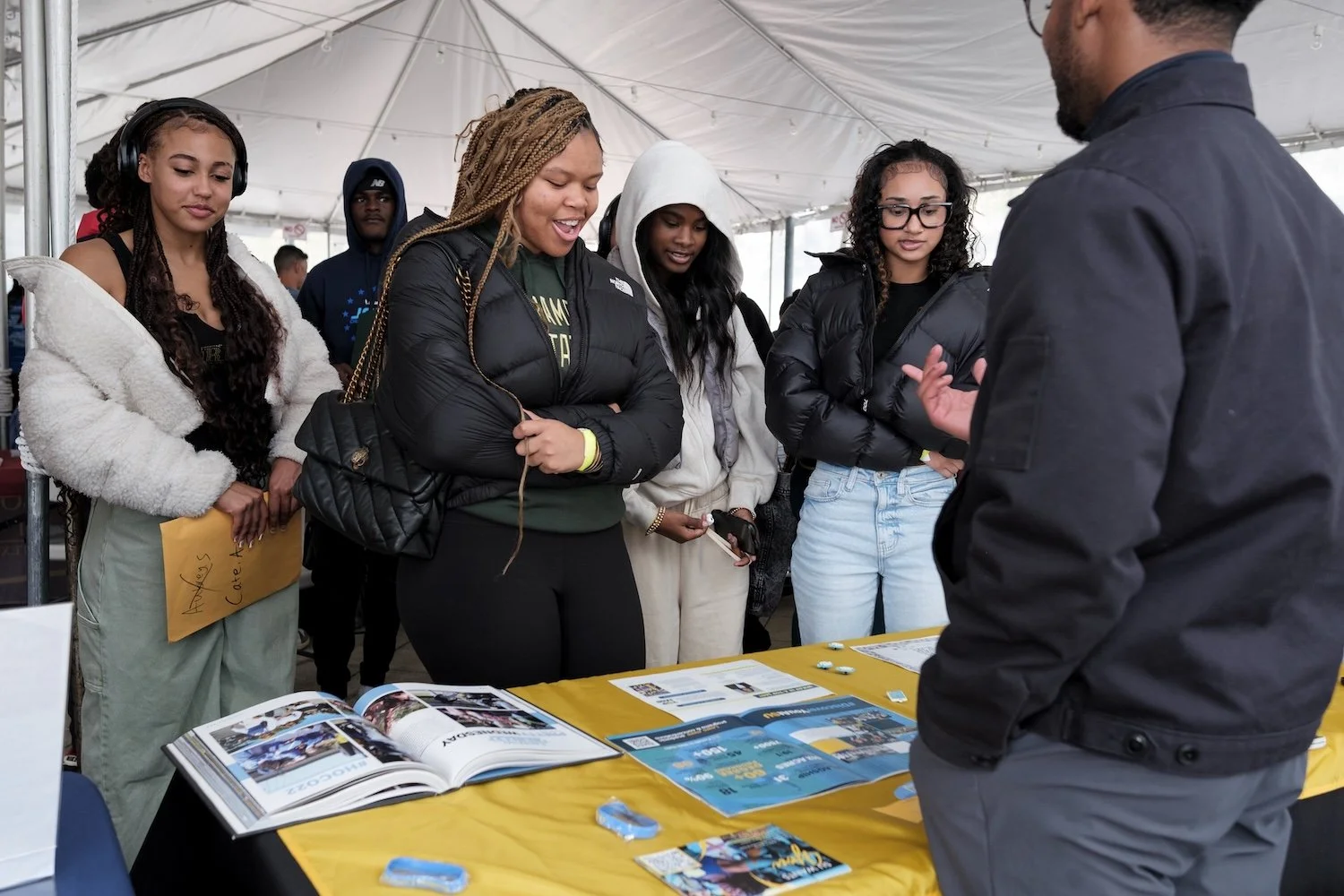
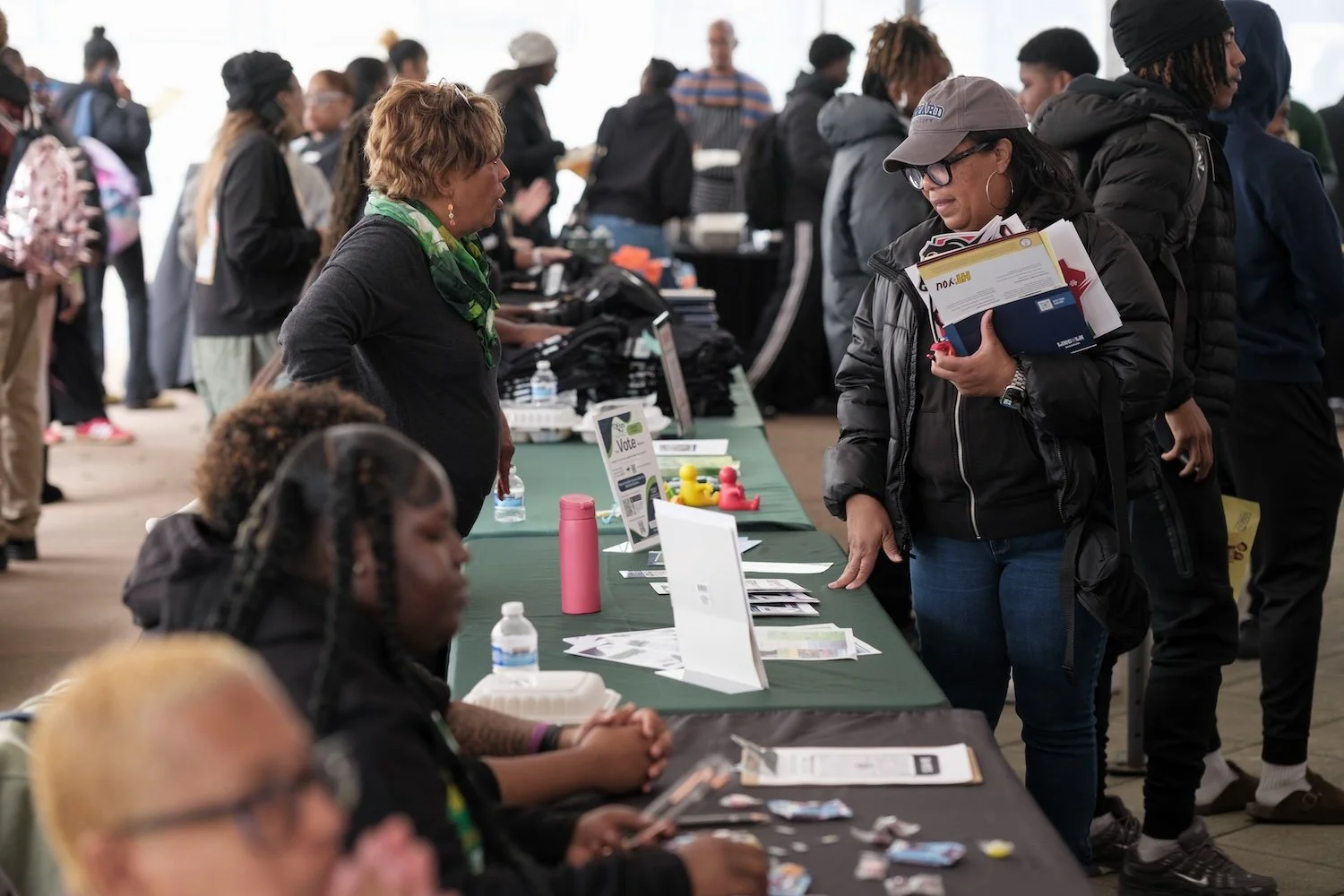
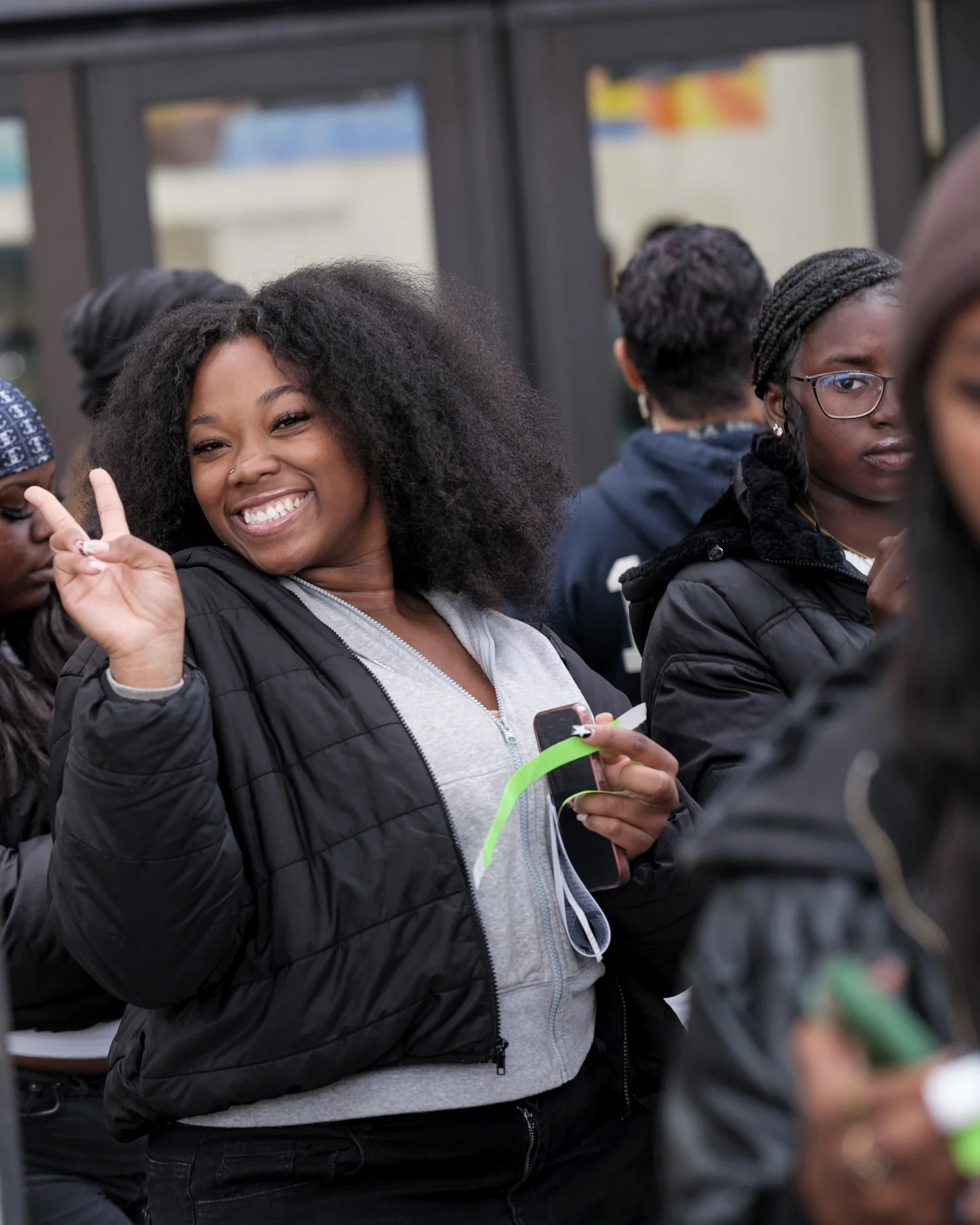
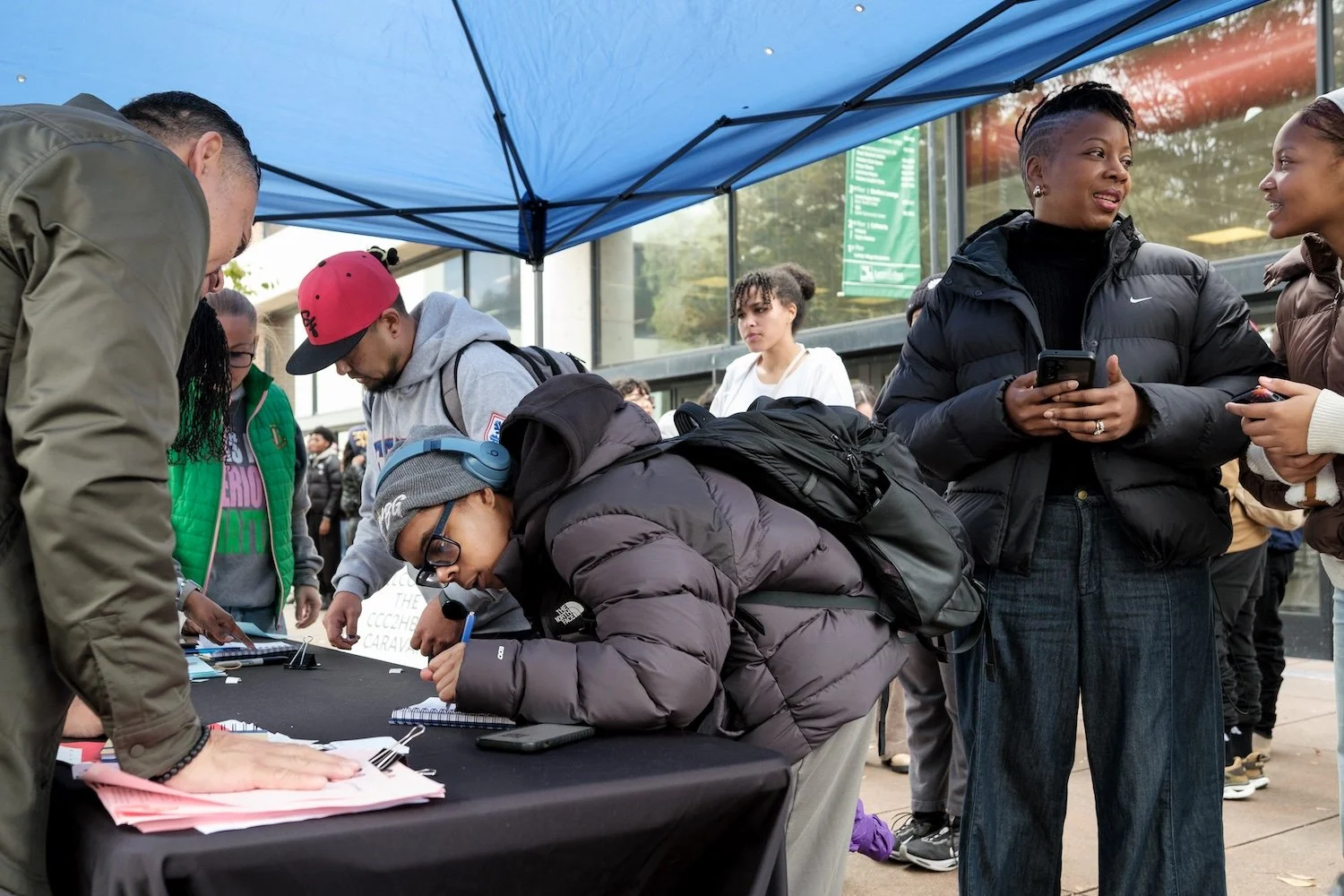
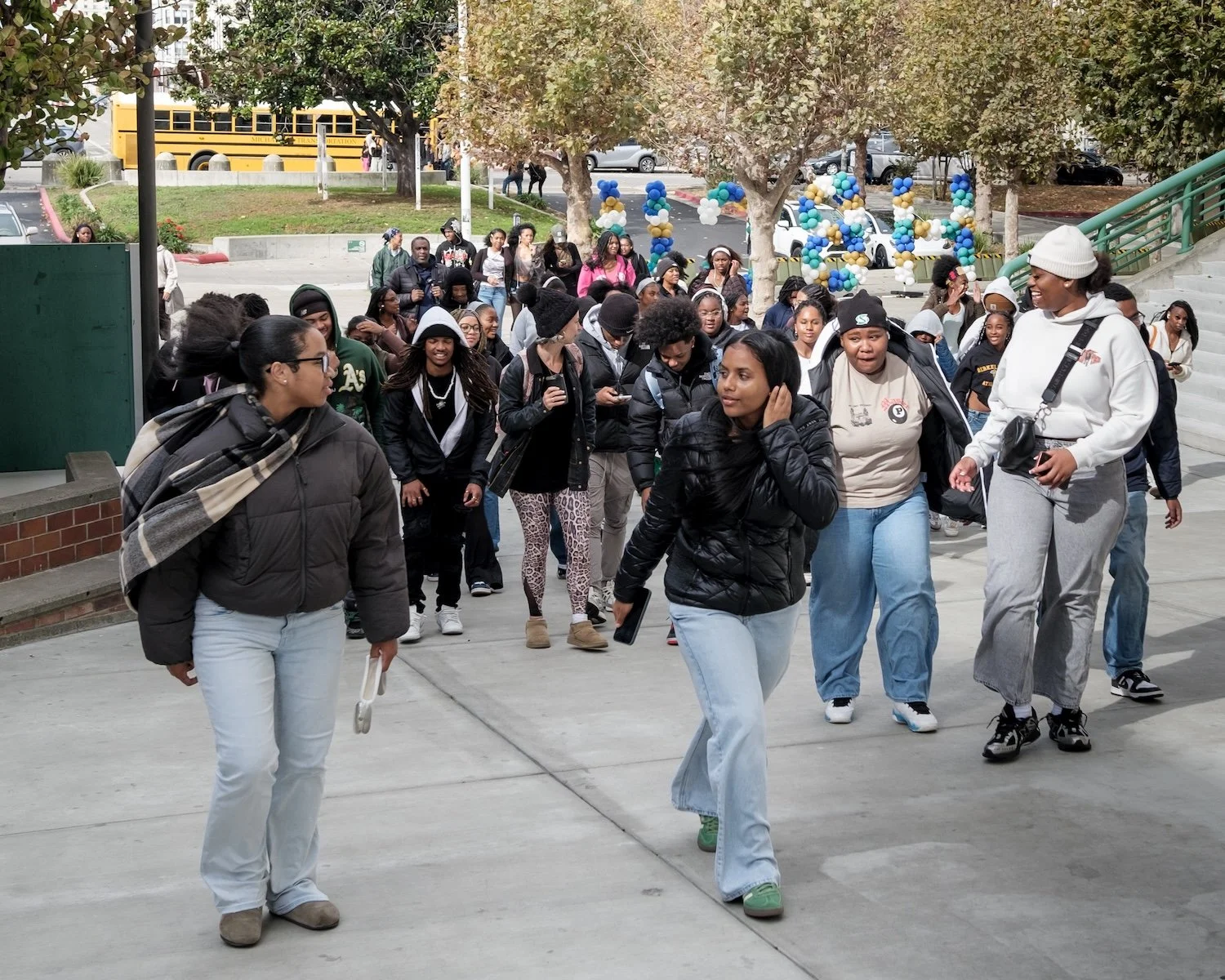
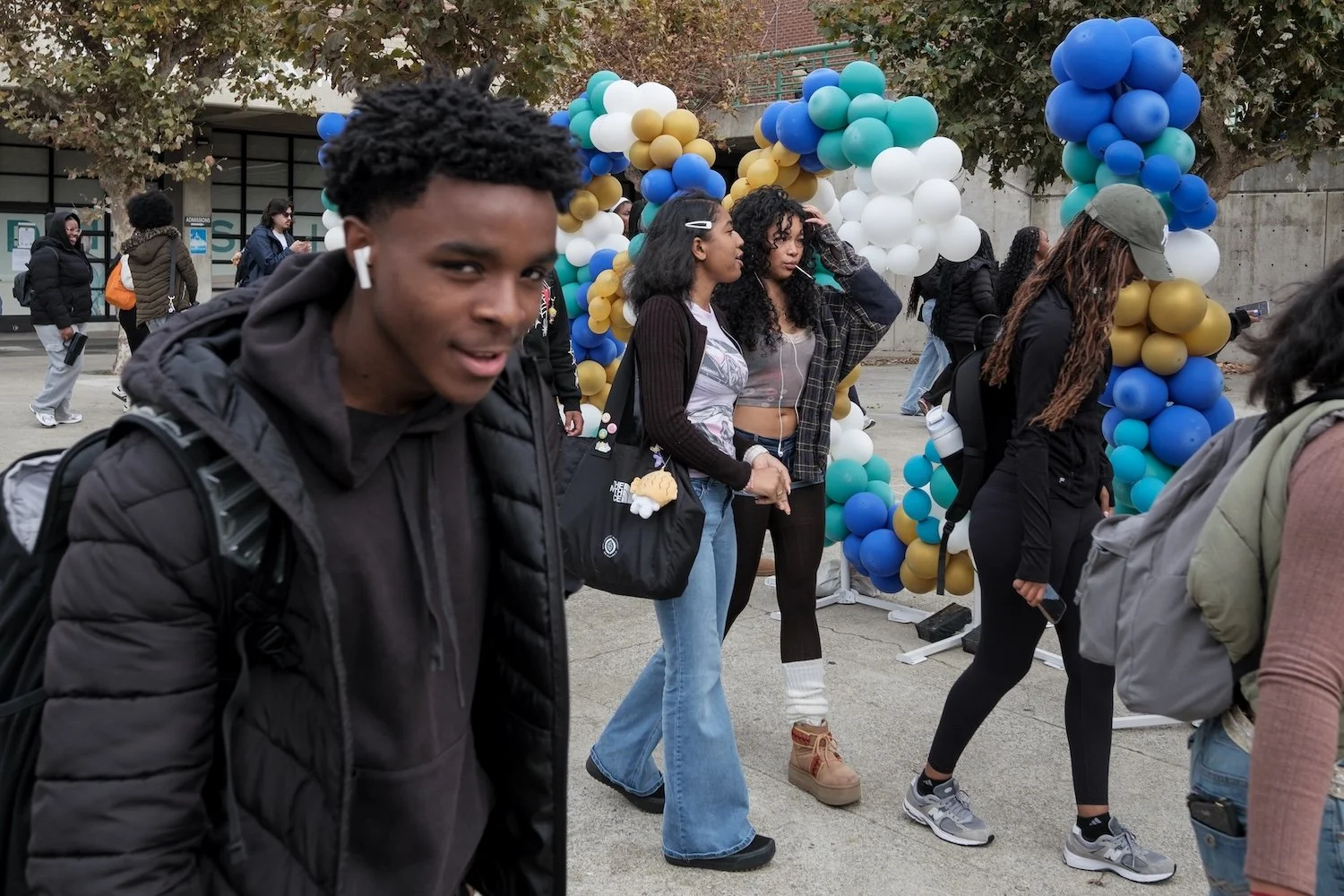
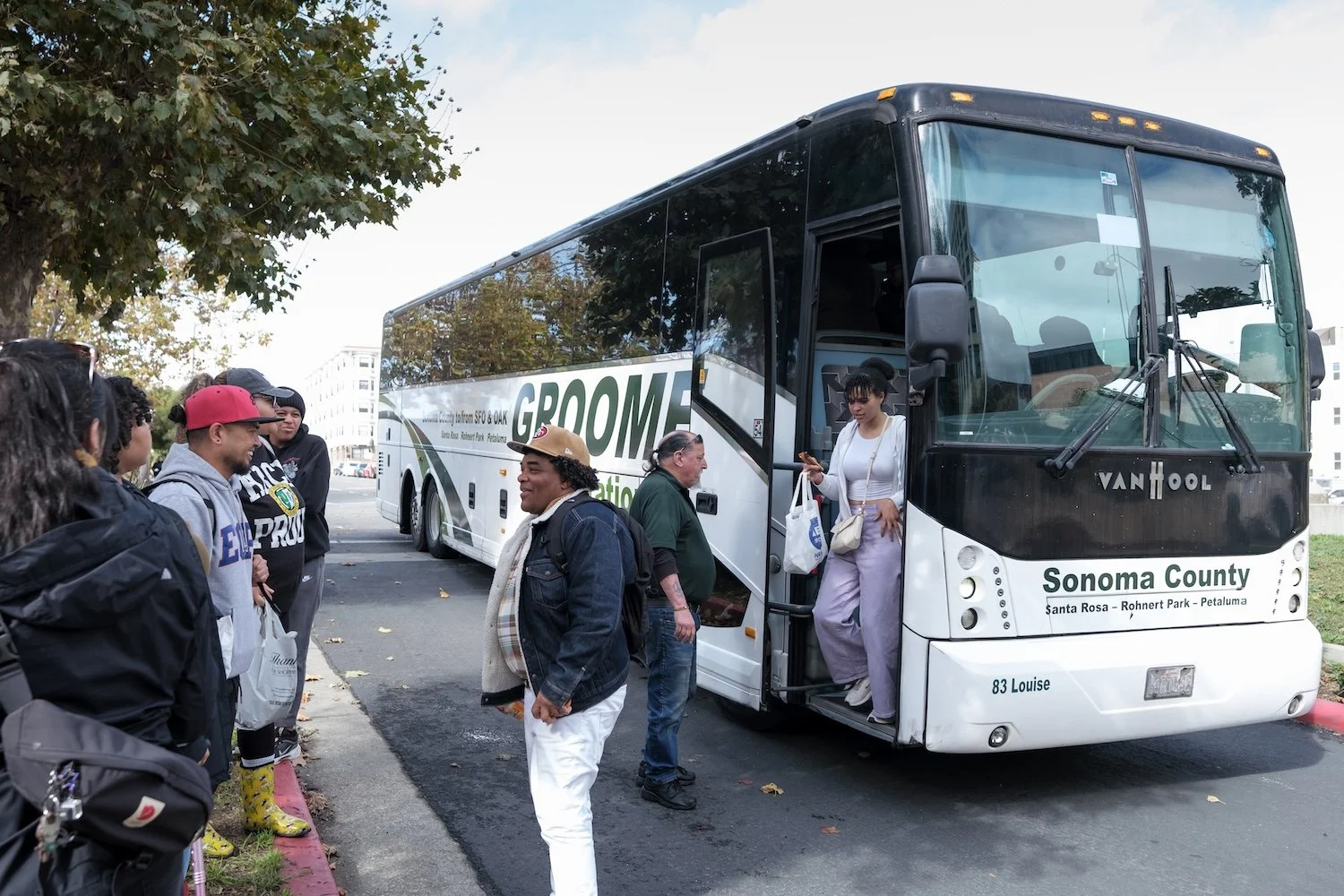
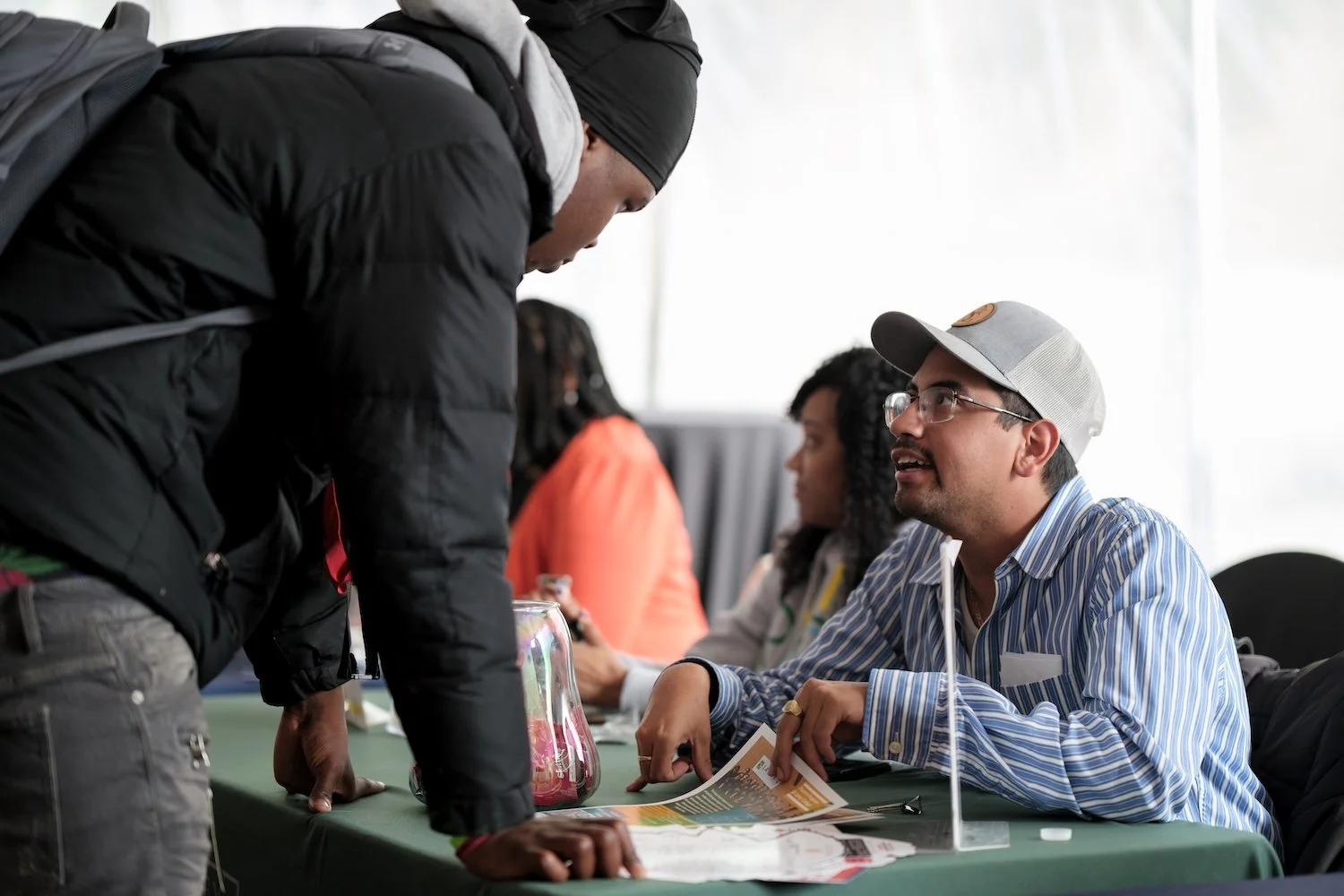
We spoke with students, organizers, statewide leadership, and HBCU partners. The highlight video captures some of those moments.
For the next phase, we’re developing outreach brochures and an explainer video to support the continued growth of the pathway. Watch the video here:
FFG team: Aaron Miller on camera and editing, Douglas Despres on photography.
Bay Area K-16 Collaborative Annual Convening
We joined the Bay Area K-16 Collaborative for their annual convening and captured interviews, breakout sessions, and hallway conversations.
The event brought together K-12 leaders, community colleges, universities, and industry partners. Executive Director Agustin Cervantes shared updates on where the work is headed and what the next stretch requires.
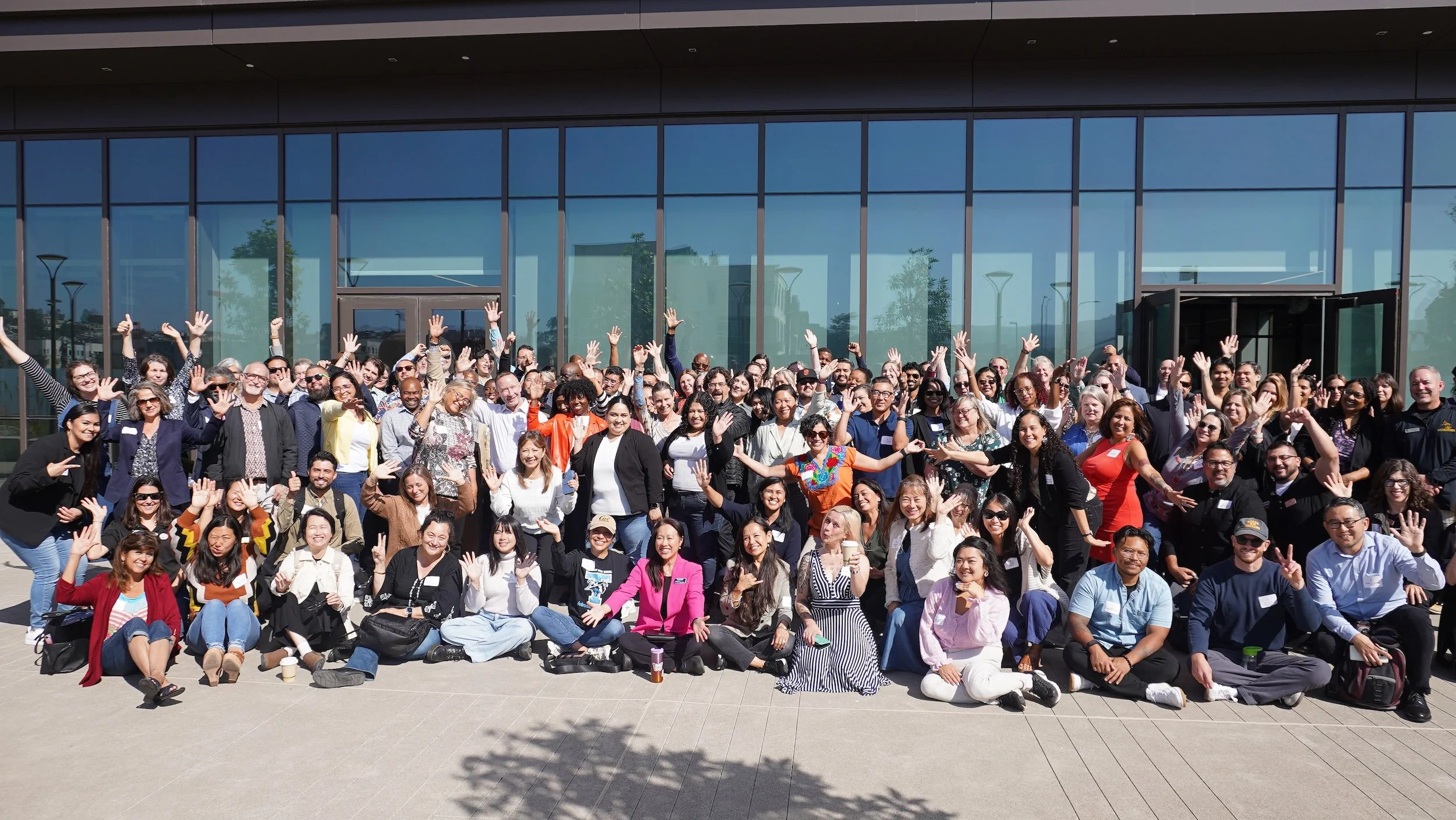
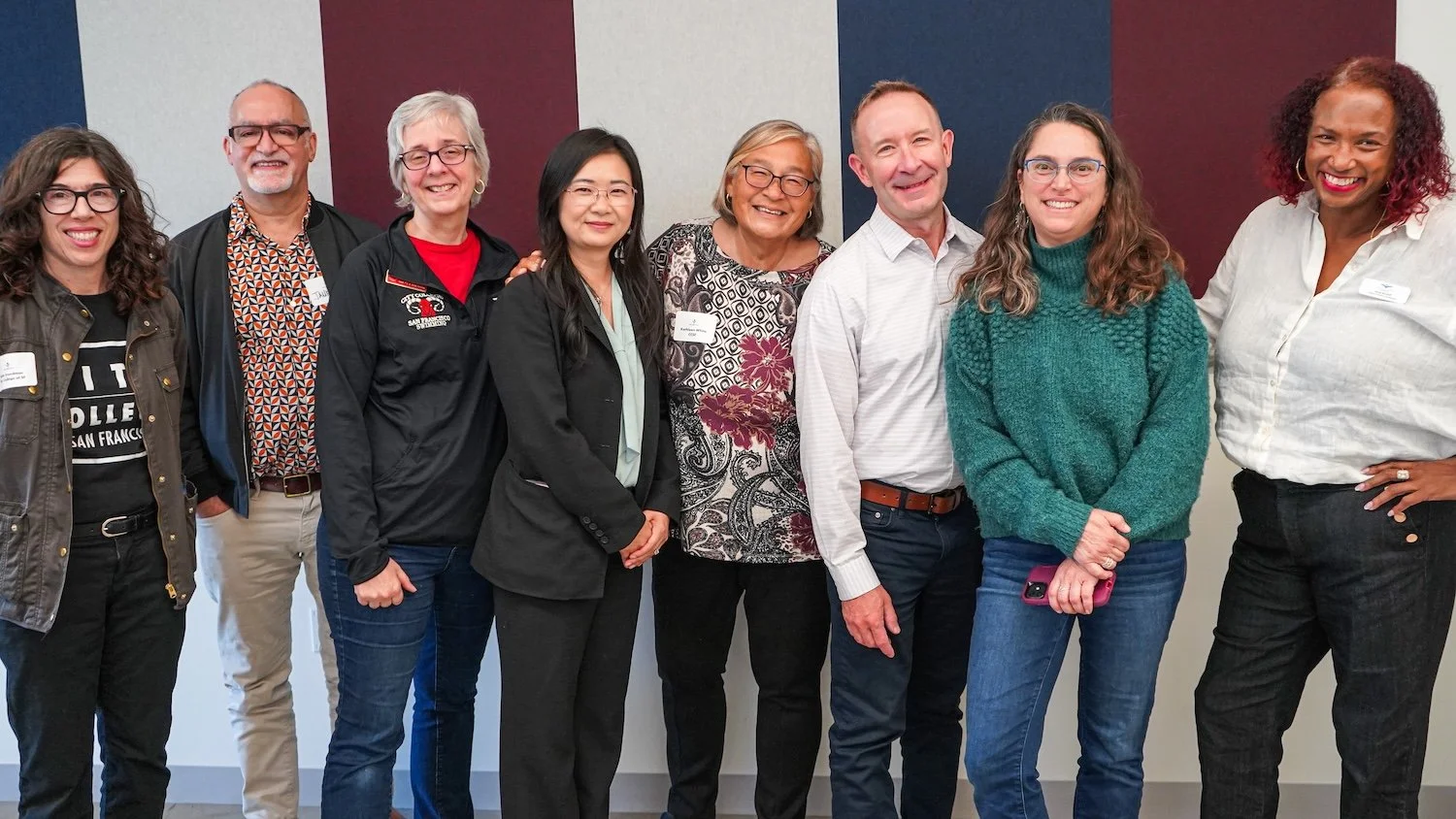
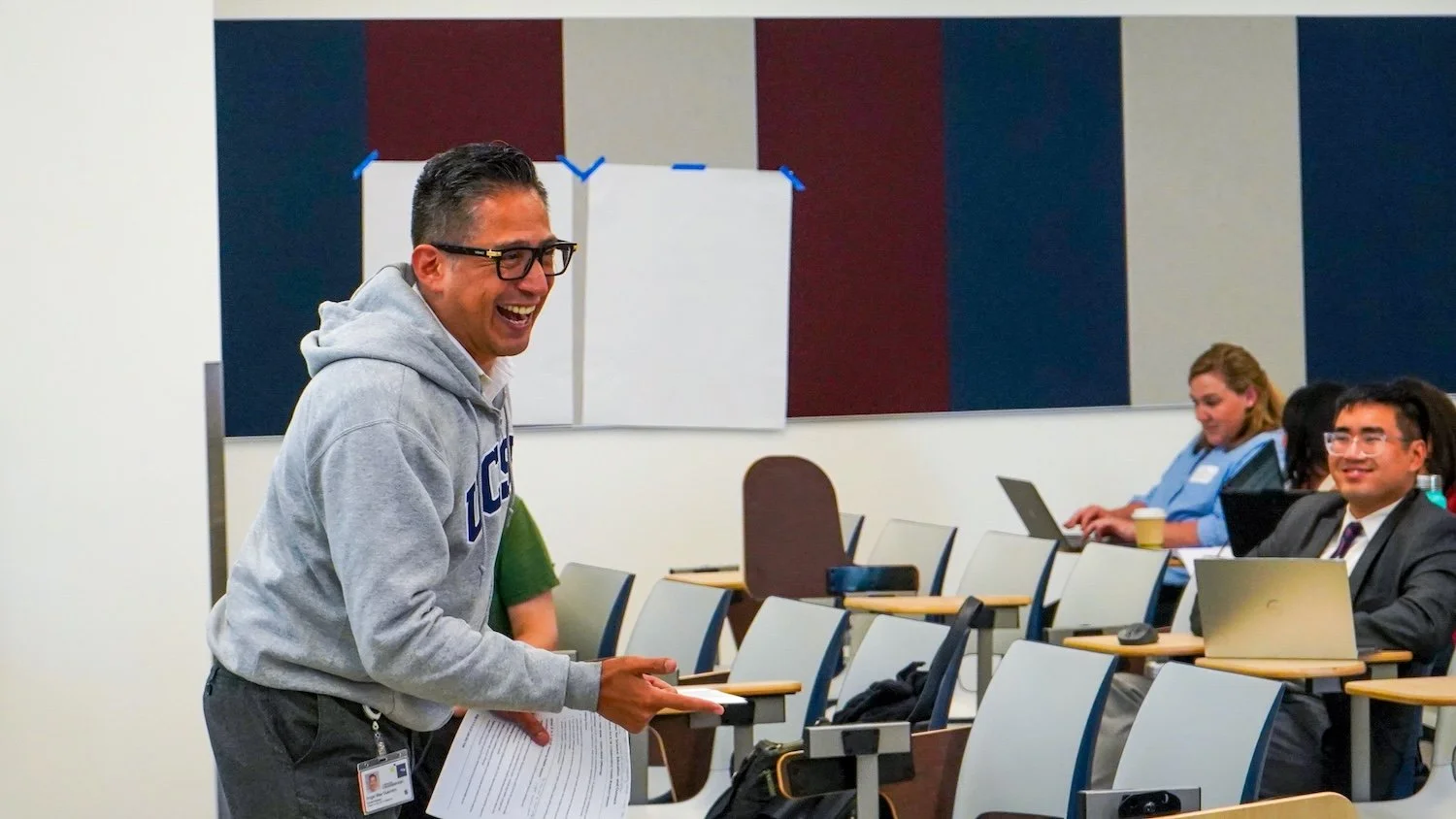
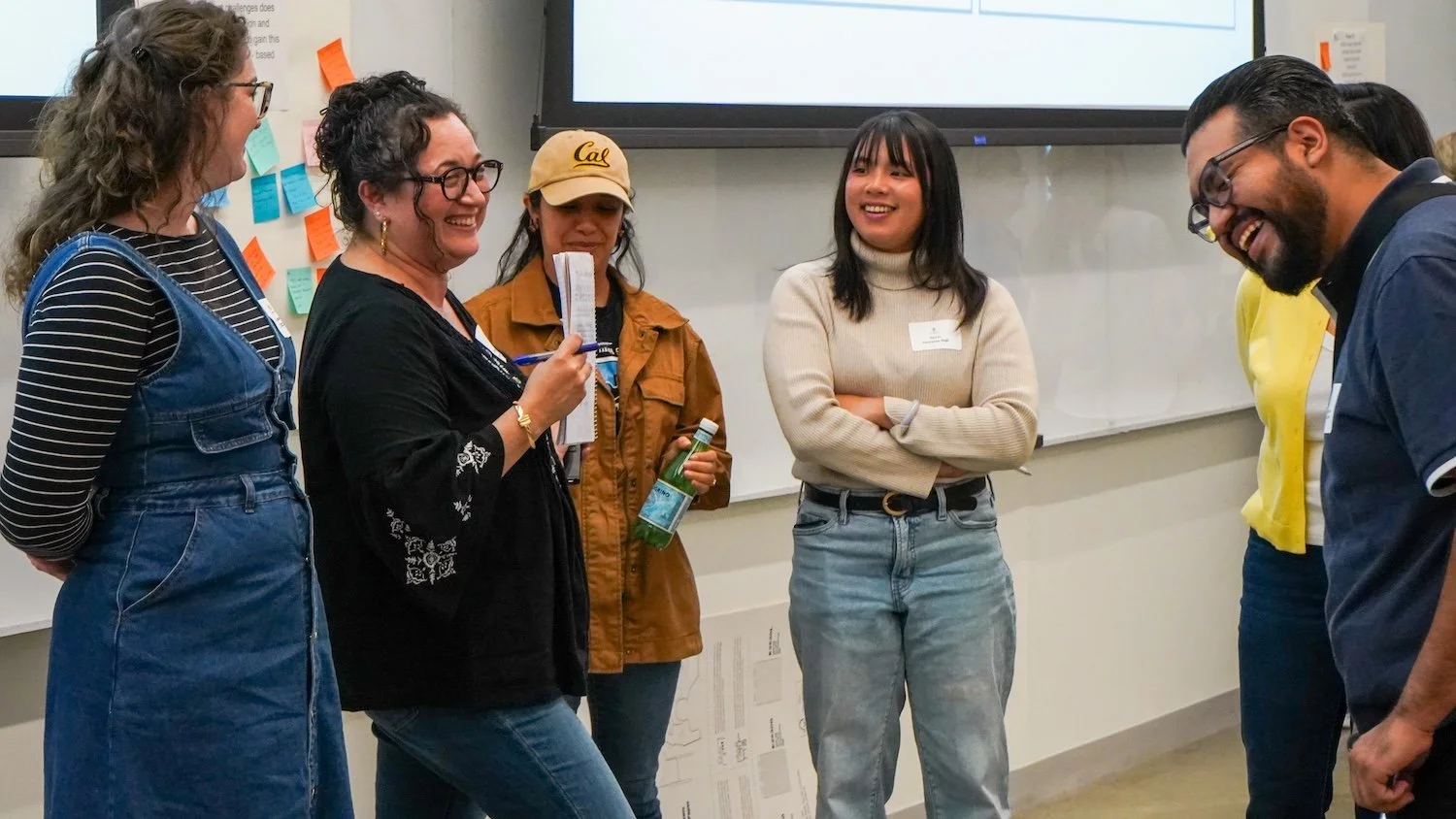
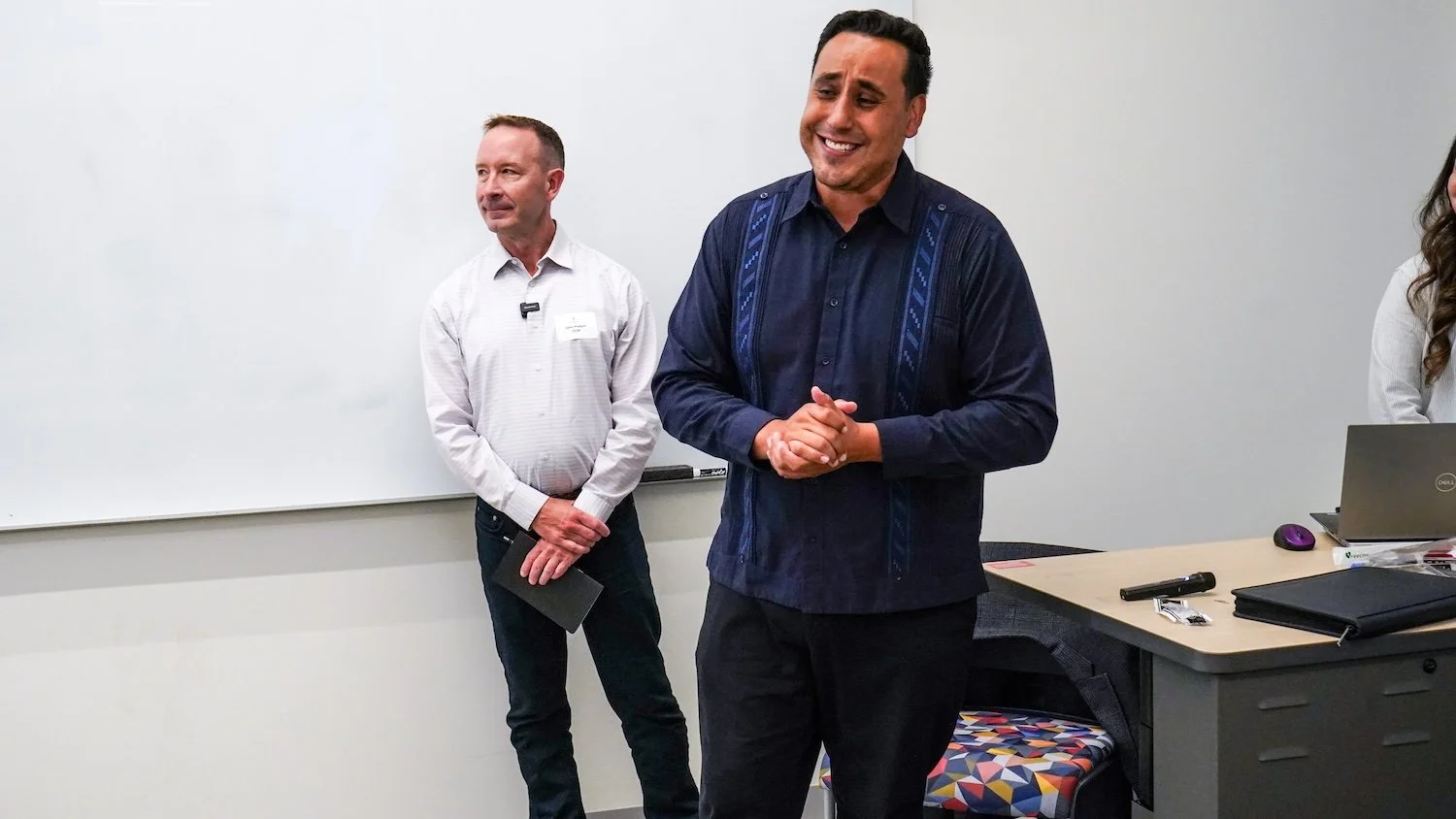
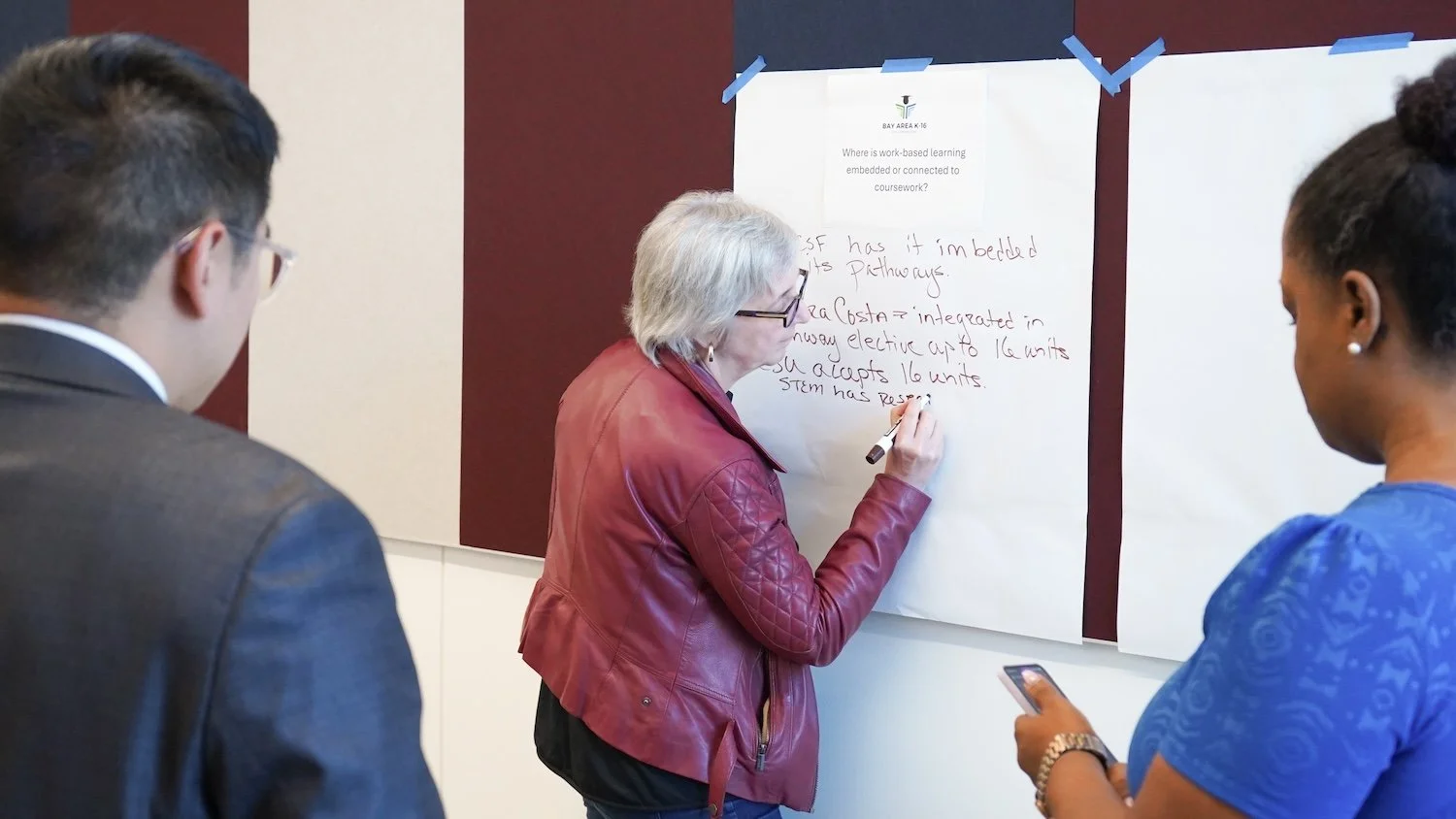
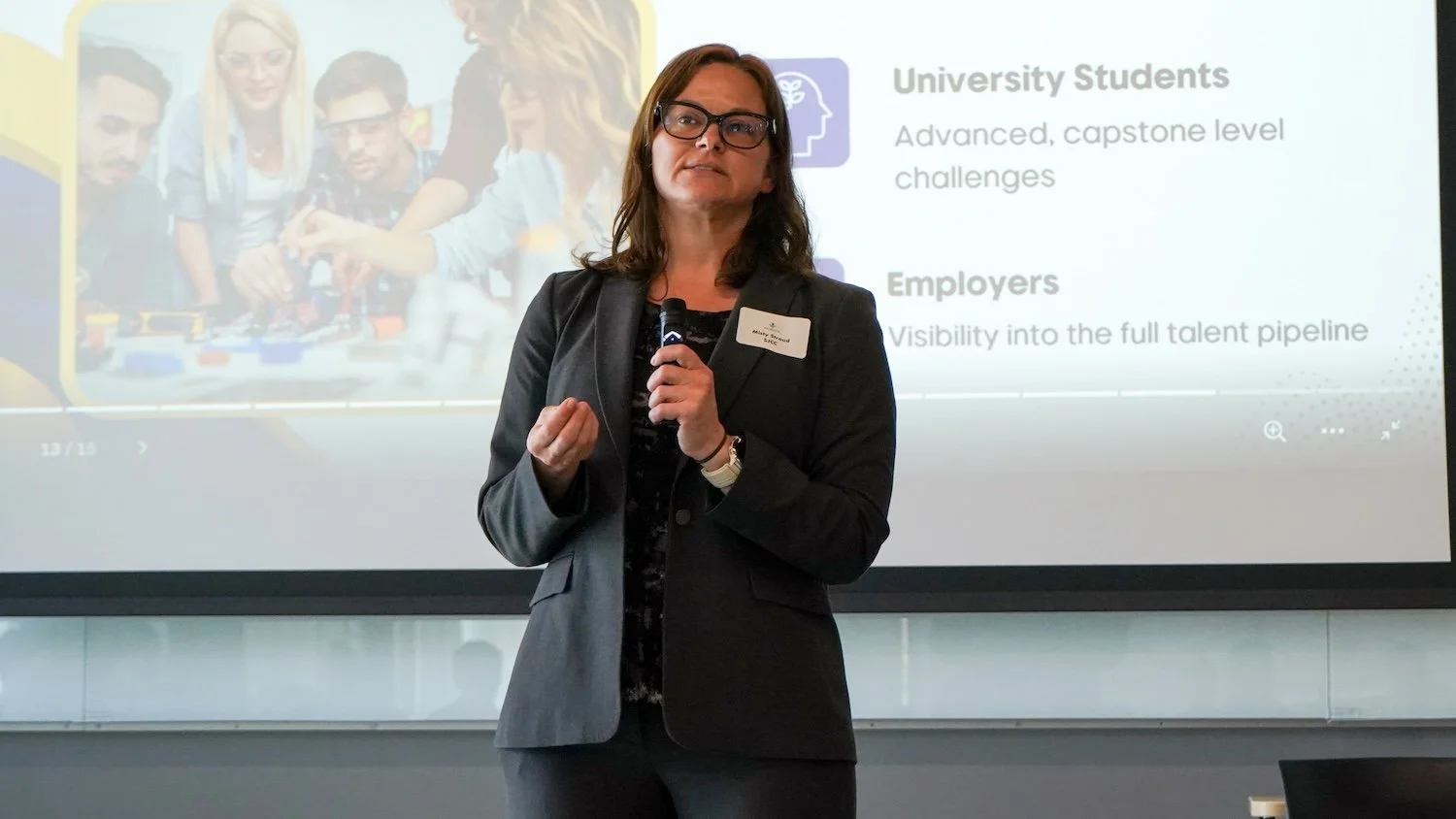
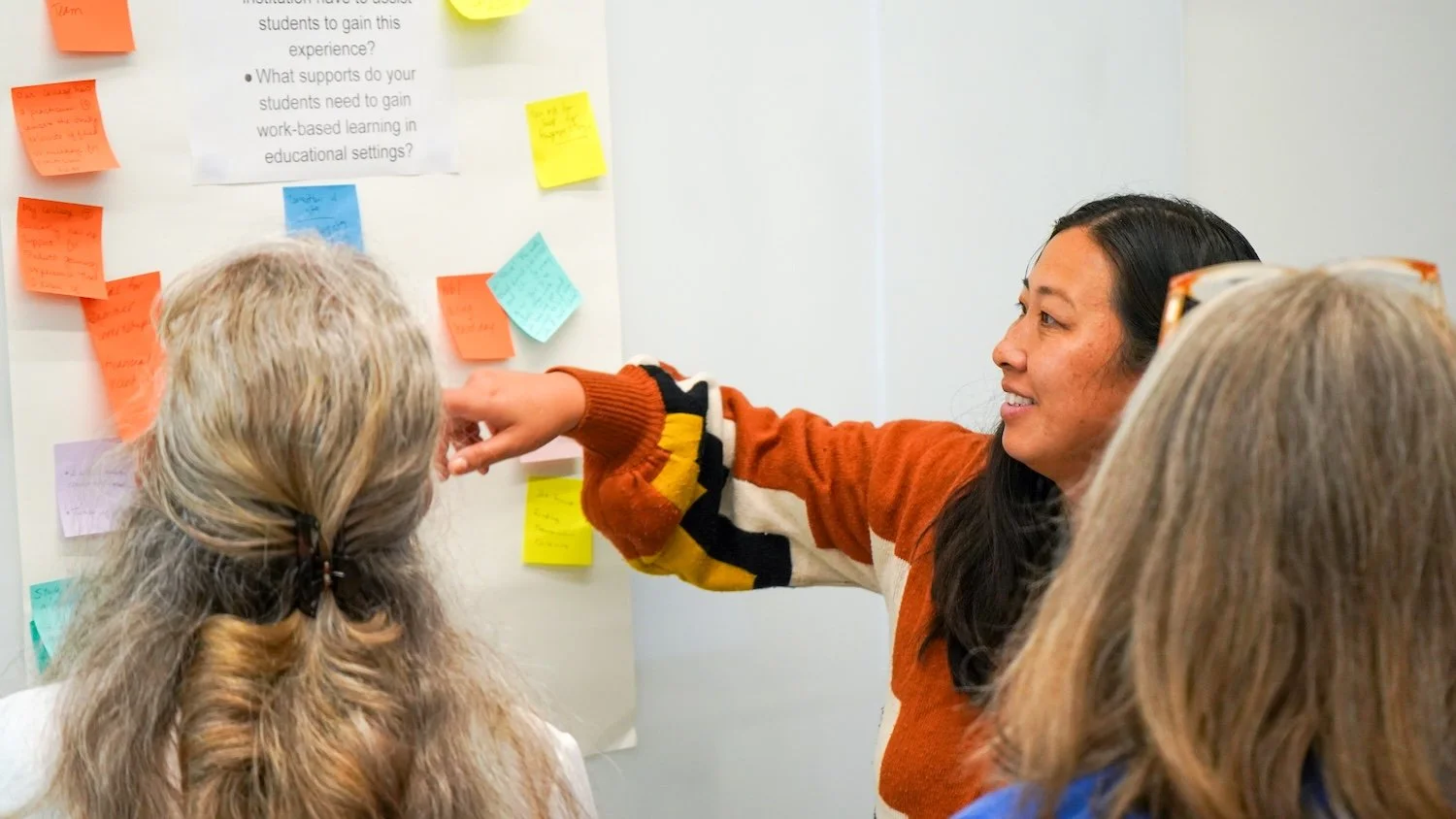
The highlight video from the convening is also available to watch here:
It was a full day and a full room.
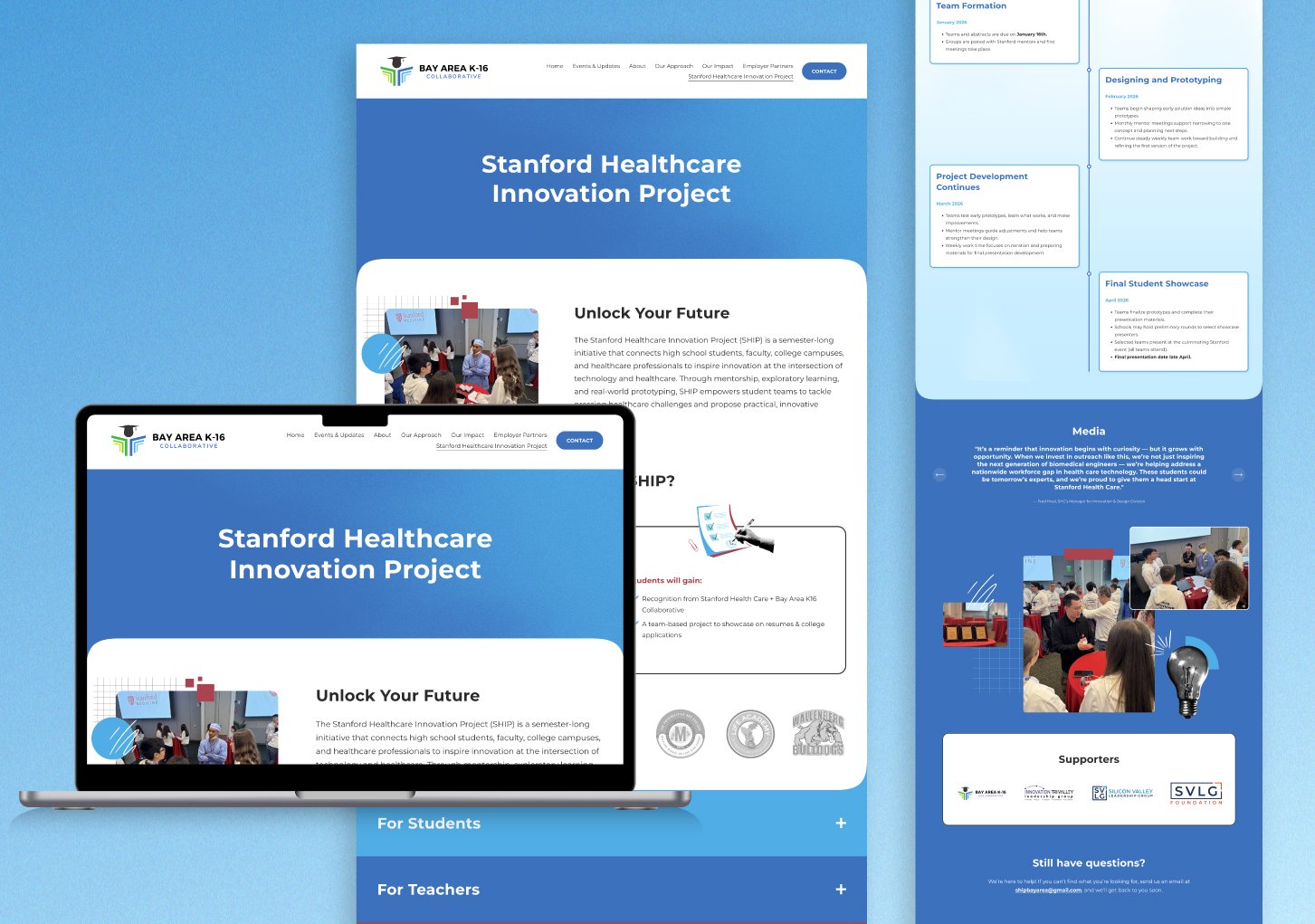
Alongside the highlight video, we supported updates to their Stanford Healthcare Innovation Project page, also known as SHIP.
SHIP is a semester-long initiative that connects high school students, faculty, college campuses, and healthcare professionals to explore innovation at the intersection of technology and healthcare. Through mentorship and hands-on prototyping, student teams take on real healthcare challenges and develop practical solutions.
You can view the SHIP page here: https://www.bayareak16.org/ship
FFG team: Jacques Lerouge on camera and editing, Keyvon Silva on photography. Both are current City College of San Francisco students. Nicole Mattson on web design, Lindsay Anglin as content manager for the SHIP webpage and event coordination.
Merritt College Career Education Brochures and PPM Work
The Merritt College Career Education brochures are complete and circulating across campus and at events.
This project started with faculty and staff voting on illustration direction and brand tone. We met with each program to map course sequences and recommend progression. That work turned into pathway maps, brochures, and updated web content.
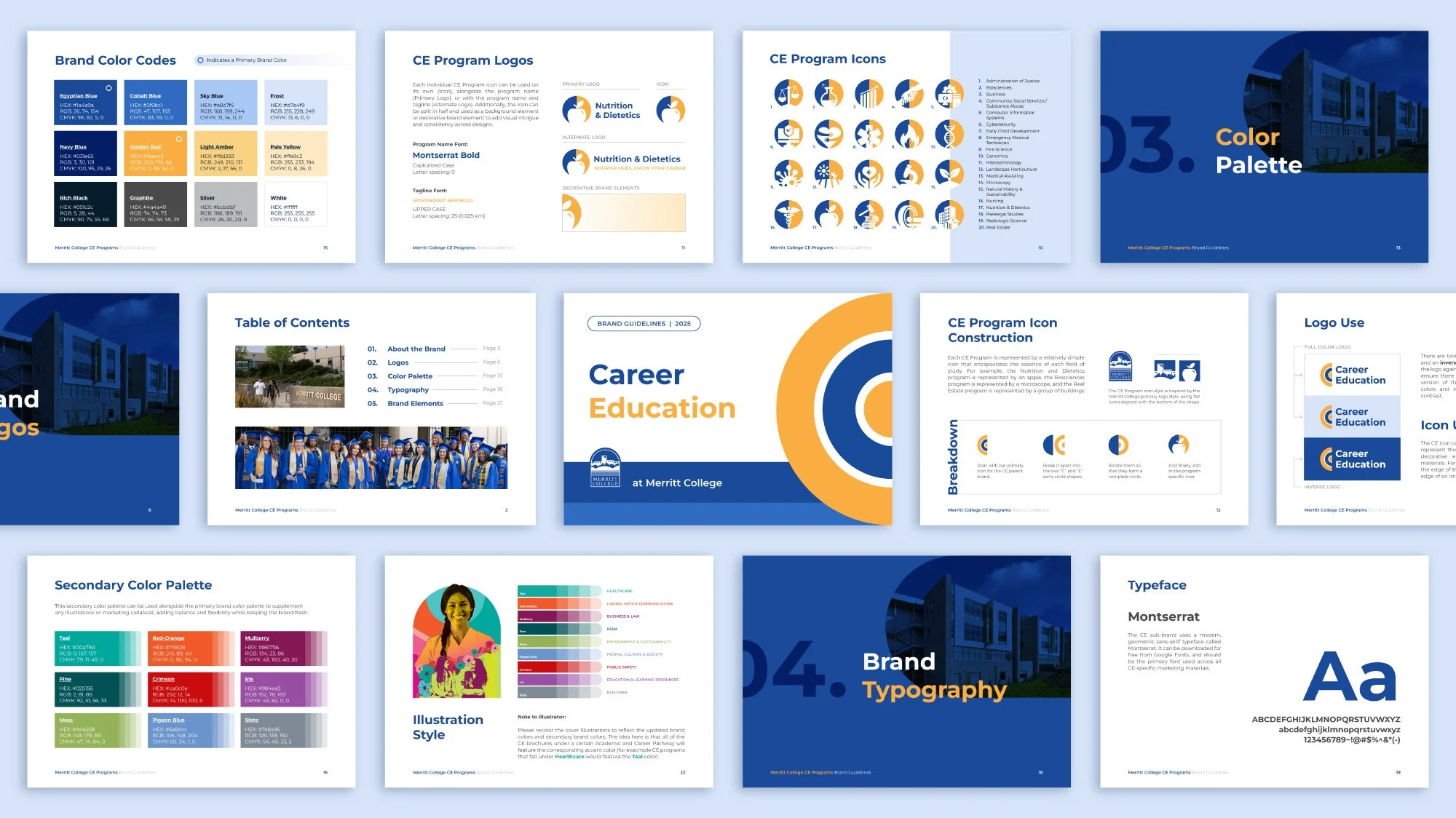
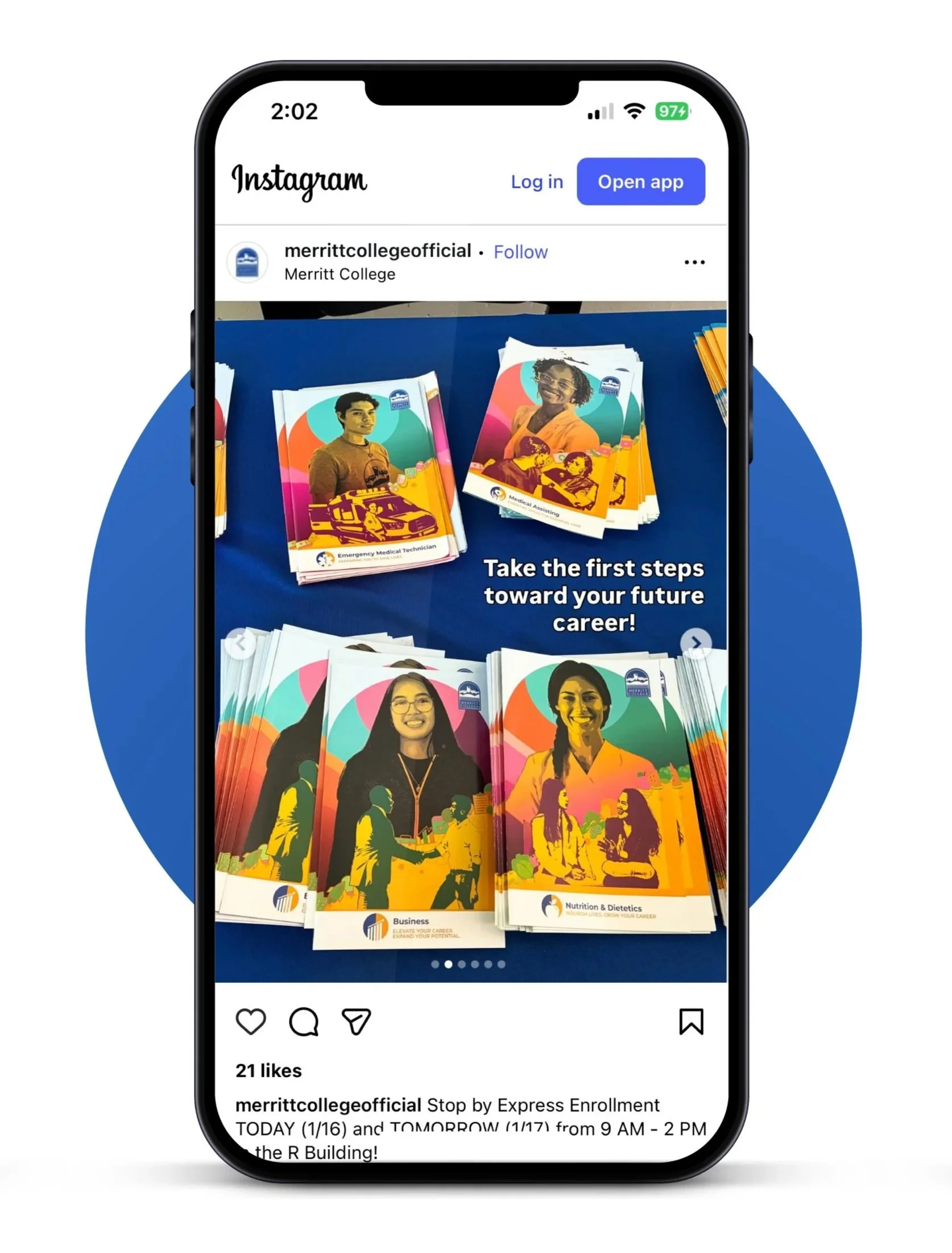
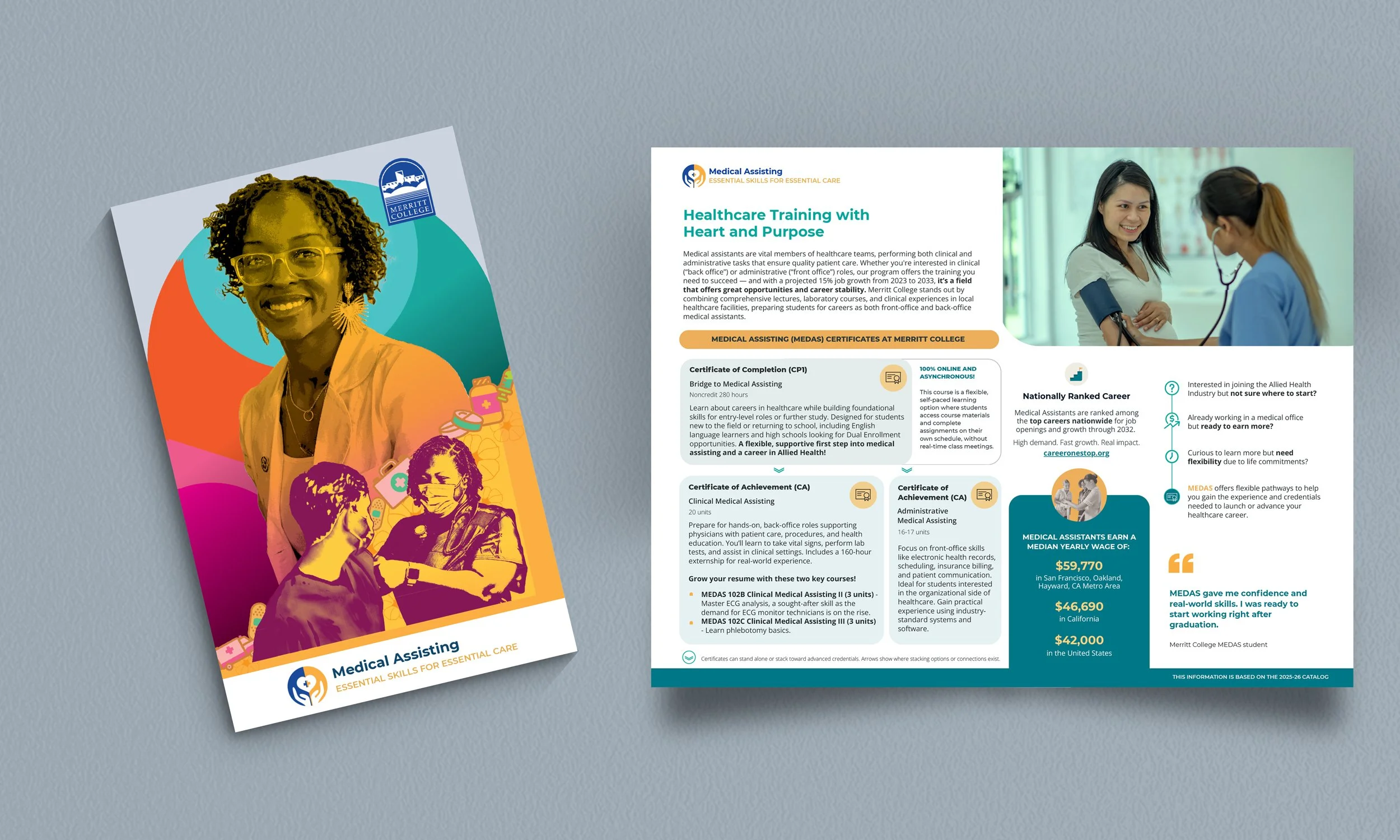
We’re continuing to support Merritt’s Academic Career Pathways work, including implementation of the Program Pathway Mapper platform. As campuses transition into PPM 2.0, we’re helping with the rollout, including new integrations with curriculum systems like CurricUNET.
Beyond Merritt, we’re also supporting pathway mapping and PPM work at Foothill College and Chabot College.
It’s steady, detailed work. The kind that builds over time.
FFG team: Tony Carranza on illustration, Nicole Mattson on branding, Zhuldyzay “Jules” Dauletalina on layout, Sara Kern as lead writer, Liz Mayorga and Camille Contreras on website wireframing and UX design, and Lindsay Anglin on coordination and Program Pathway Mapper leadership, and Ilona McGriff on pathway mapping support.
Foothill College Blueprint for Success Launch
In January, we supported Foothill College as they launched their Blueprint for Success initiative, marking the start of their Educational Master Plan process. The theme of the launch was “Love, Not Luck.”
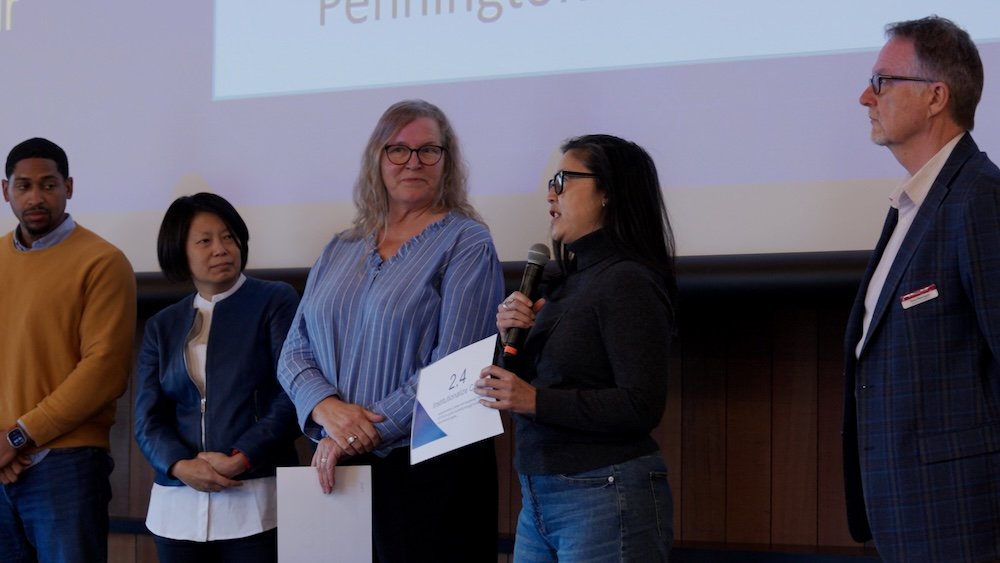
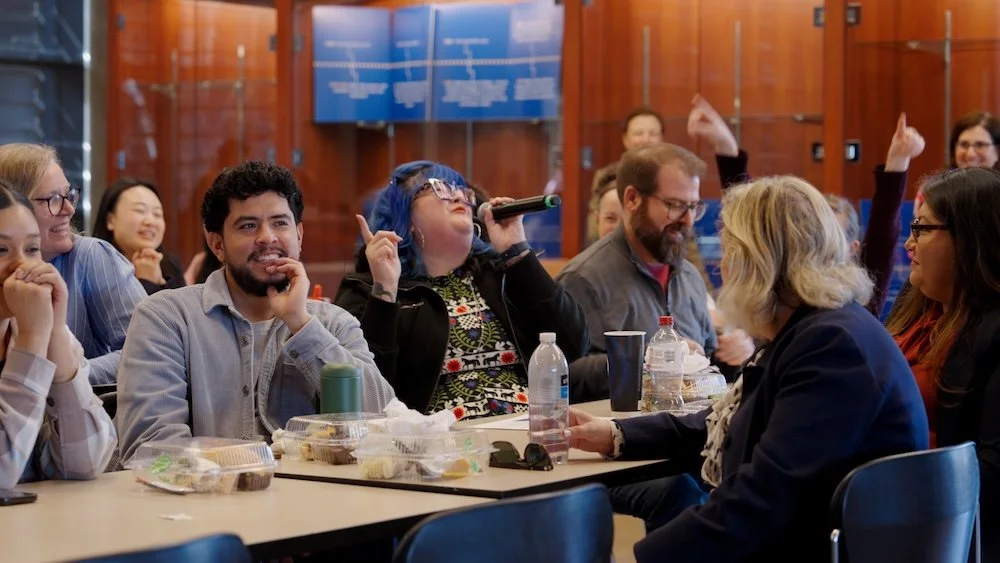
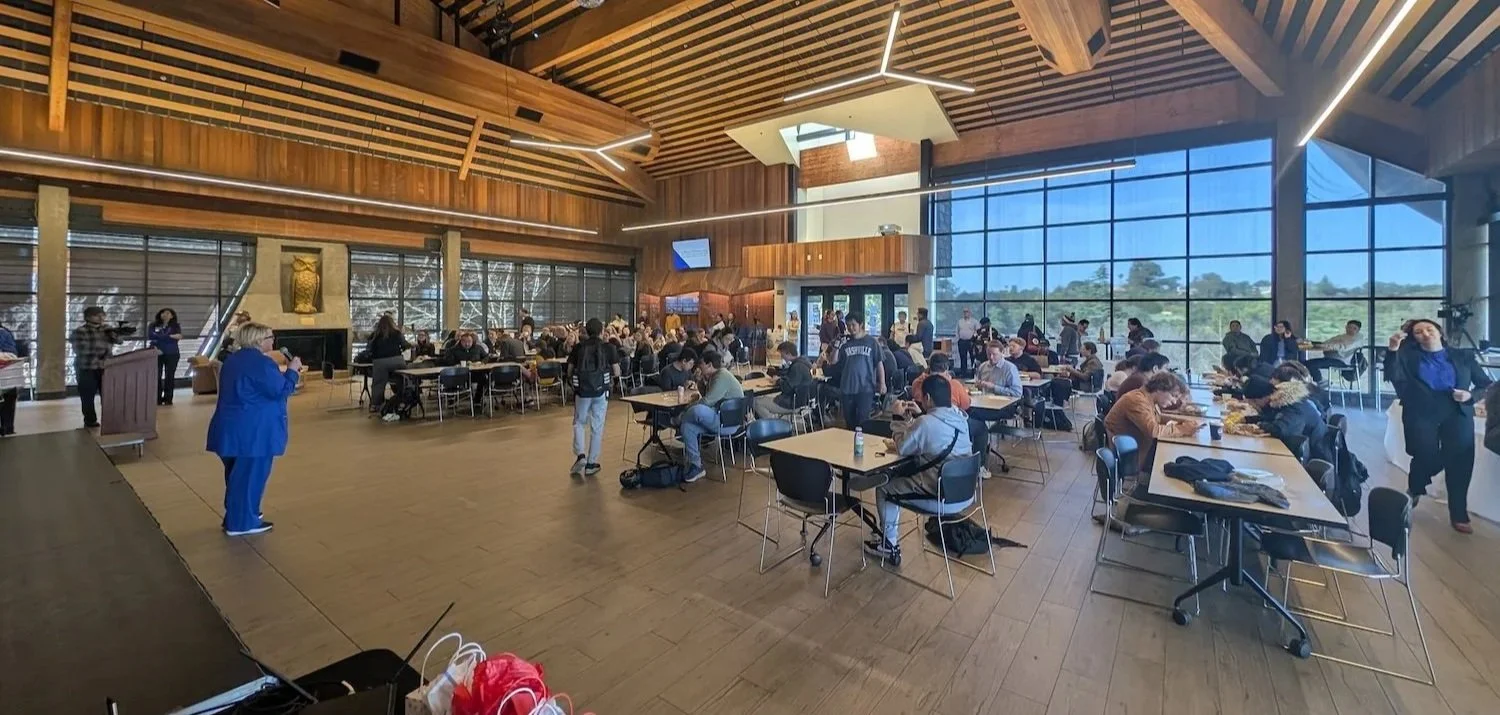
We helped shape the event programming and agenda, thinking through flow and pacing, and led the DJ and MC elements as well, guiding transitions, introducing speakers, keeping the agenda on track, and bringing in music between segments to keep the room engaged.
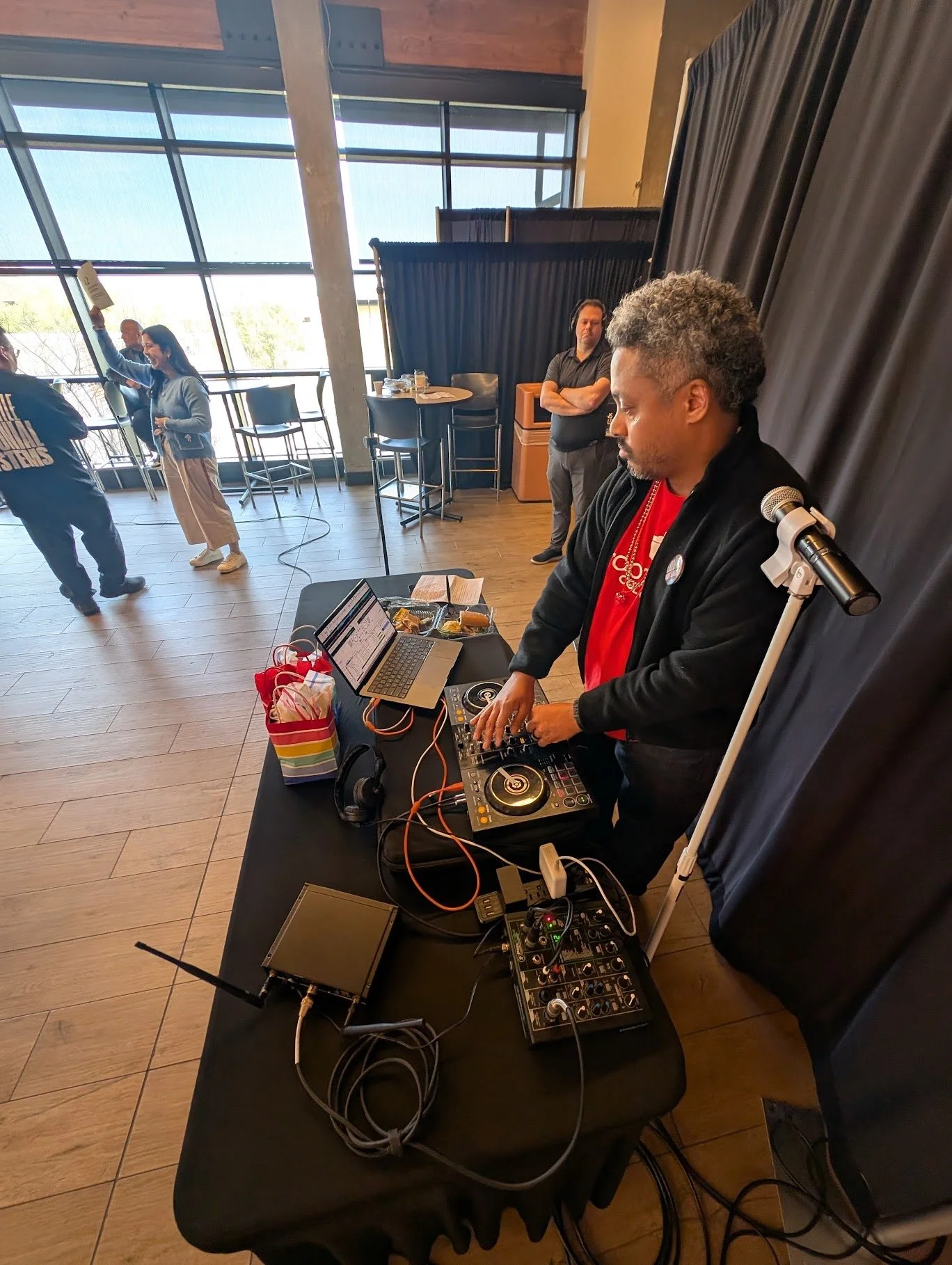
The launch was held during lunch in the campus cafeteria. Faculty and staff gathered alongside students, who were invited to participate and grab sandwiches provided by the college. It was a cool mix of planning and everyday campus life happening in the same space.
We mixed in a few interactive moments too, including Name That Love Song and a Whitney Houston challenge. During the Whitney round, participants had to guess the exact moment the drums enter in “I Will Always Love You,” then hit the drum at that same second. The winner walked away with a prize. It’s harder than you think.
It was a thoughtful event with real institutional weight behind it, and it was good to help set the tone at the beginning of a long term planning process.
FFG team: Taj as DJ and MC, Photos by Edna Hernandez Amezcua, Foothill Marketing.
Team Highlight: Marcellino “Nino” Rosario
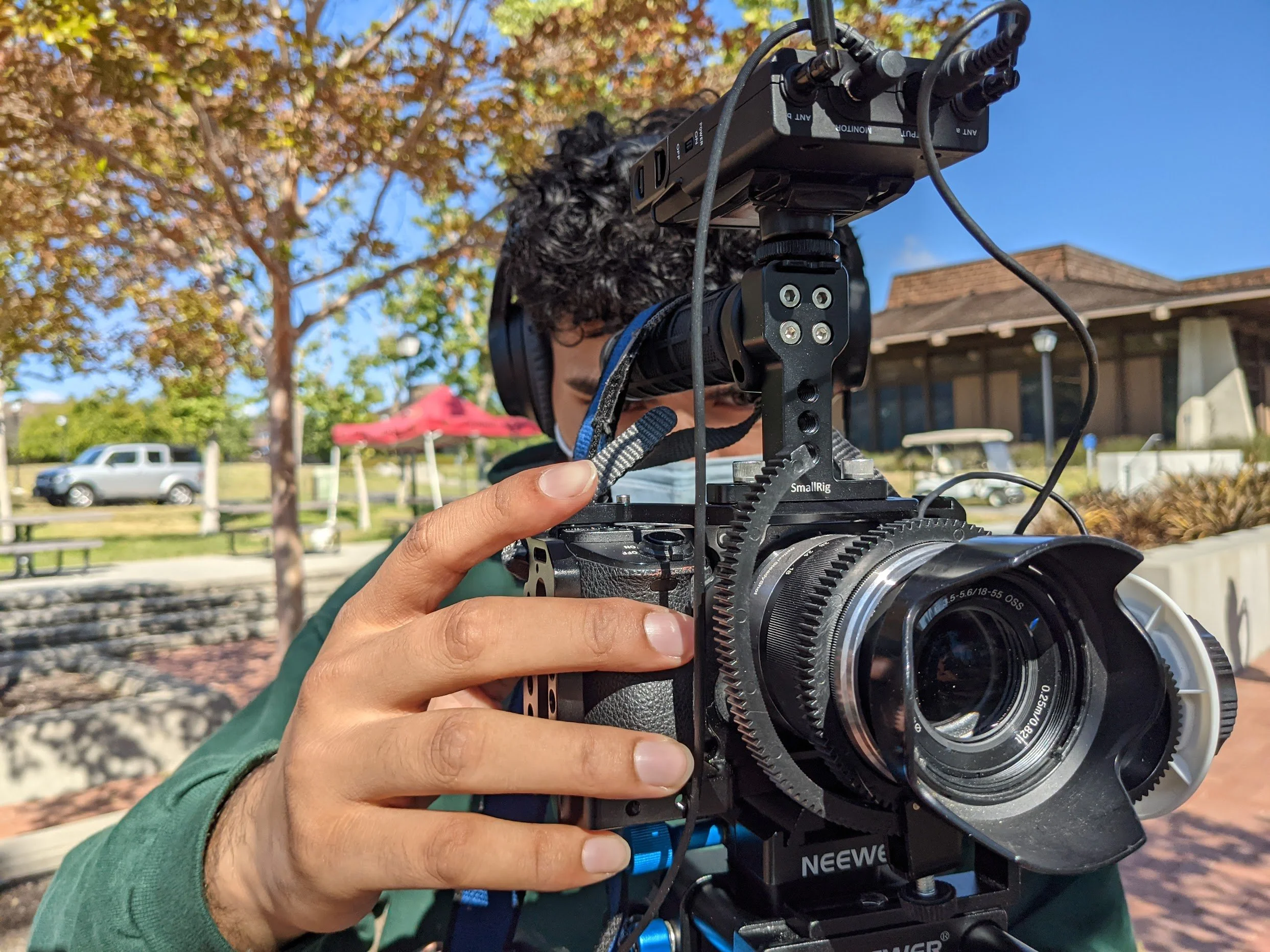
We first connected with Nino when he was still in high school, already experimenting with cameras and editing software and trying to find his voice.
He would jump into projects when he could, offering perspective and curiosity. He paid attention to how content felt to younger audiences and how pacing shifted across platforms. Much of the audience for our projects includes younger students, and that perspective mattered.
During his college years, he stayed connected, even making trips back from Los Angeles to support shoots when schedules aligned.
Now he’s working in special effects studios in LA and running his own projects.
We’ve been connected with Nino from high school, through college, and into his early career. We’re proud of him and genuinely honored to have been part of that story.
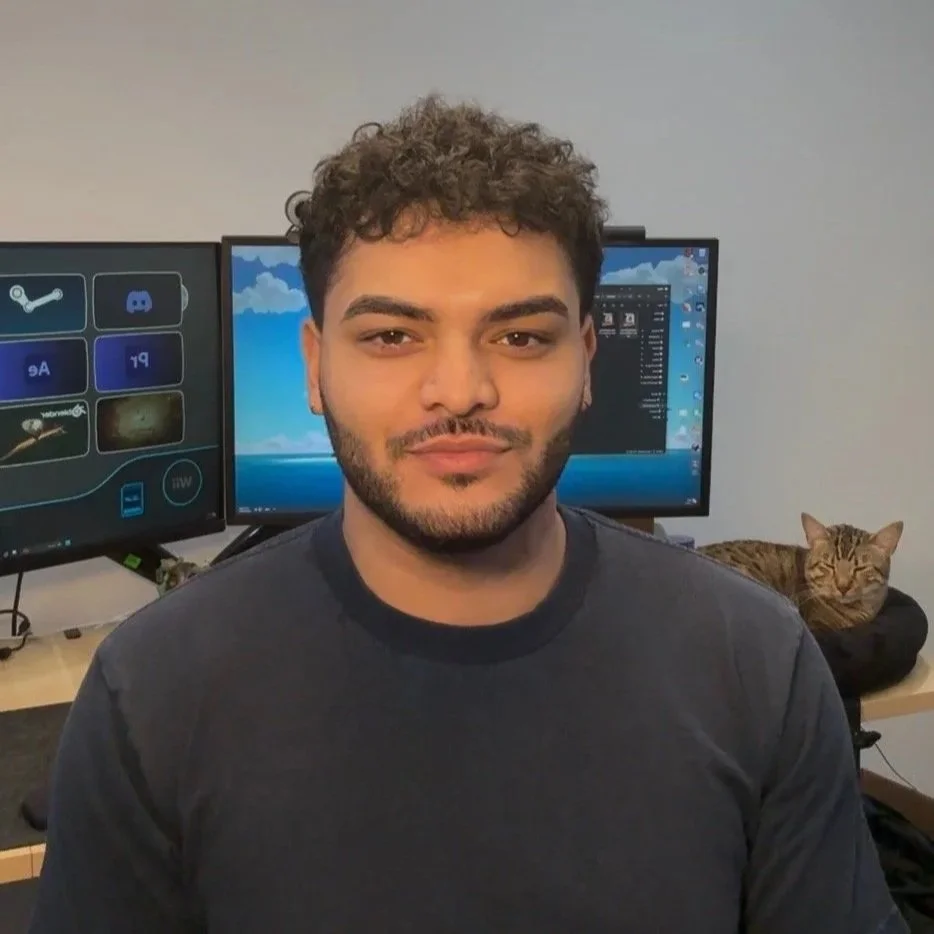
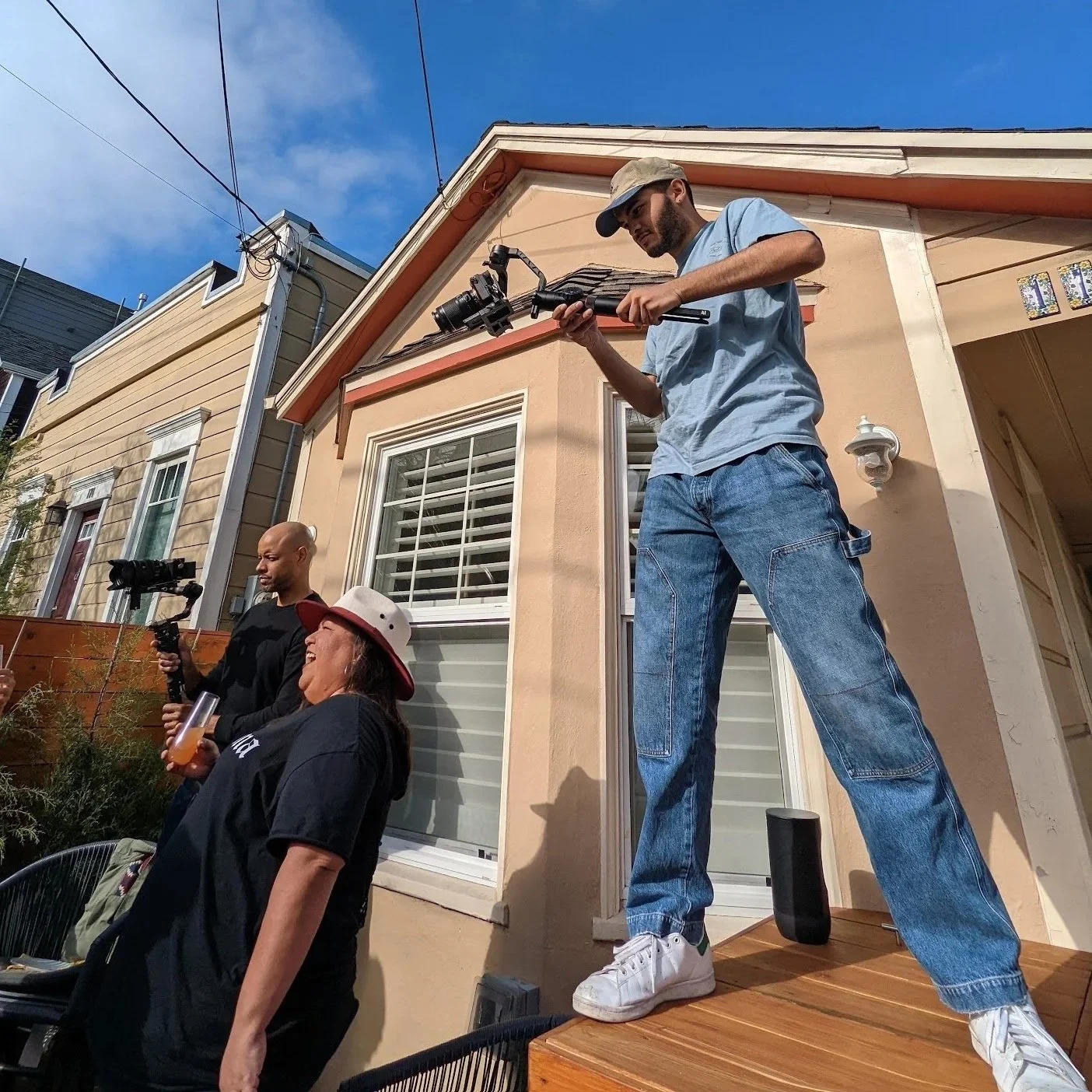
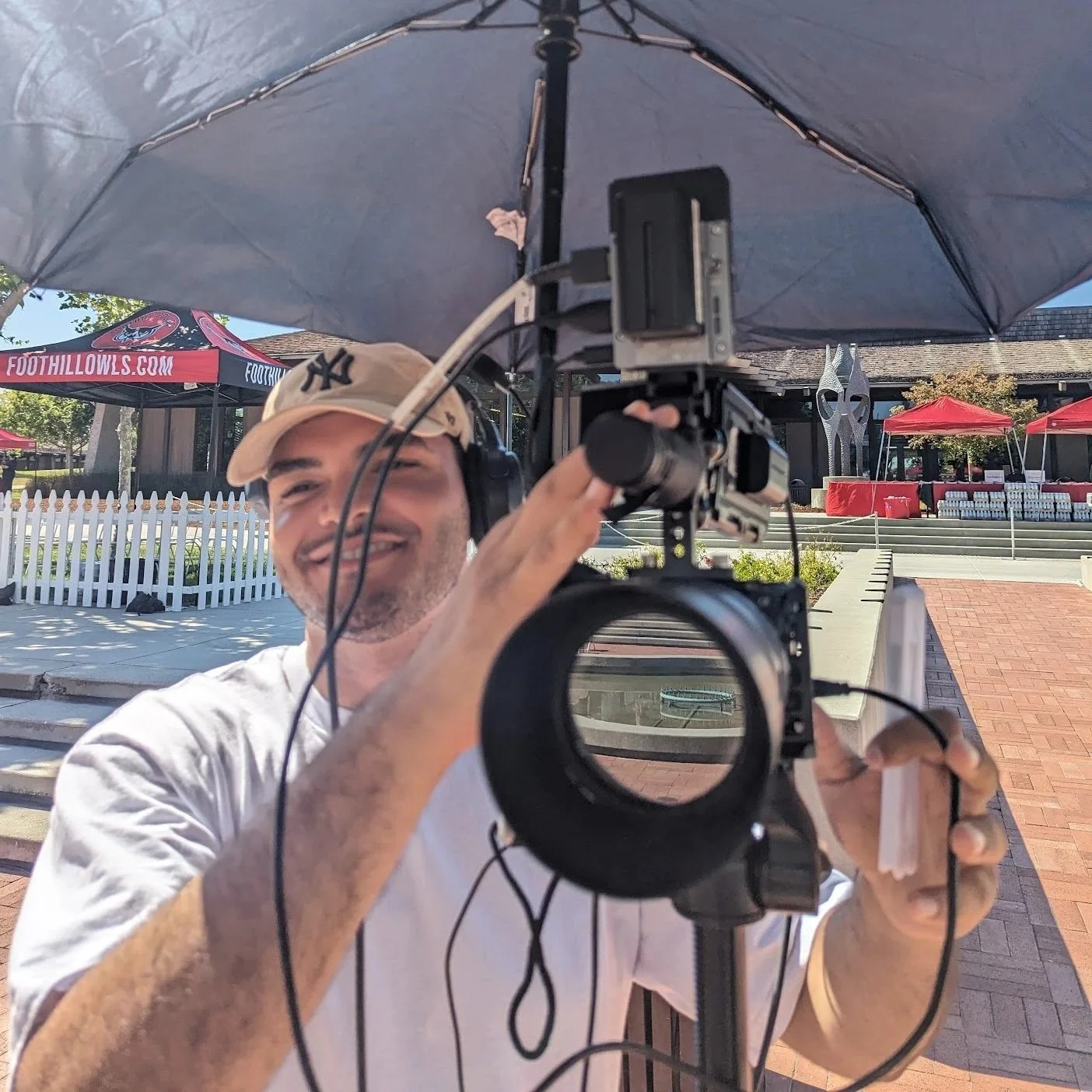
We asked him a few questions.
What brought you to visual storytelling?
“I’ve always viewed visual storytelling as a vehicle. I realized early on that there are incredibly knowledgeable people with vital stories to tell, and I wanted to provide the medium to share those insights and experiences with the world. It’s about building the architecture that lets someone else’s expertise shine.”
Which FFG project are you most proud of?
“The Berkeley City College animated billboards were a highlight. Seeing our work scaled up across the East Bay freeways was a massive milestone. I also value the Foothill College graduation events. Coordinating the team to ensure the final vision met the significance of that milestone for the students was a great exercise in high-stakes production management.”
What excites you about the future?
“I’m currently focused on scaling my workflow and moving deeper into the operator space. I want to continue building systems that allow brands to communicate their value consistently through high-level visual assets.”
You can follow his work here:
https://www.instagram.com/marcellinorosario/
On Another Note: Human, With Assistance

You might have guessed this newsletter was written with the help of AI. You would be right. That feels worth saying out loud.
I’ve been using AI more in our day-to-day work. For drafting, outlining, and playing with an idea so I can react to it. In creative production, it’s changing workflows, writing, graphics, video editing, and even early concept work. It can speed things up and untangle language, so it’s often genuinely helpful and opens possibilities we did not have access to before. At the same time, it can sometimes smooth and flatten nuance a little too much.
As someone running a small shop, I think about this constantly. AI helps us move faster and expand capacity, which matters when you are balancing multiple projects. Meanwhile, many of our clients are experimenting with these tools too. A student or staff member with access to AI can now produce work that crosses a threshold of quality much faster than before. That reality changes what kinds of projects we take on and how we define value. It pushes us toward work where depth, coordination, and perspective still matter.
Our writers and voiceover talent feel the shift the most. Designers are seeing it too. Video production is feeling some impact from text-to-video technology, but robot camera operators are still a ways off in our space.
My approach has been to get in front of it and use it intentionally. We might start a draft with AI, then have a writer refine it. We might test a voiceover with AI, then record the final version with a real person.
I’ve felt it personally as well. Writing has never been effortless for me. Dropping and organizing thoughts on a blank page can take more energy than people realize. Having something to respond to, even a rough draft generated in seconds, lowers that first barrier. It doesn’t necessarily replace my voice. If anything, it helps me get to it a little faster, but my voice will certainly change with the push and pull of this technology. It’s like transforming into a cyborg, part human, part robot.
The technology makes it easy to just copy and paste its super-polished output. That strategy works for quick needs or replies, but I try to be careful. I like my Latin urban American dialect and all the issues and mess that come with it. Still, I like the idea of polishing my writing with the push of a button. That push and pull will change my writing voice, and I’m ok with that.
I don’t know exactly where this will lead. The technology is here, and it is reshaping expectations quickly. It makes me think about workforce development and what the future of work looks like, but that is a longer conversation.
So yes, this newsletter had AI support. It also had human editing, revising, questioning, deleting, and rewriting.
I’m still figuring out the right balance.